 By Mari Hansen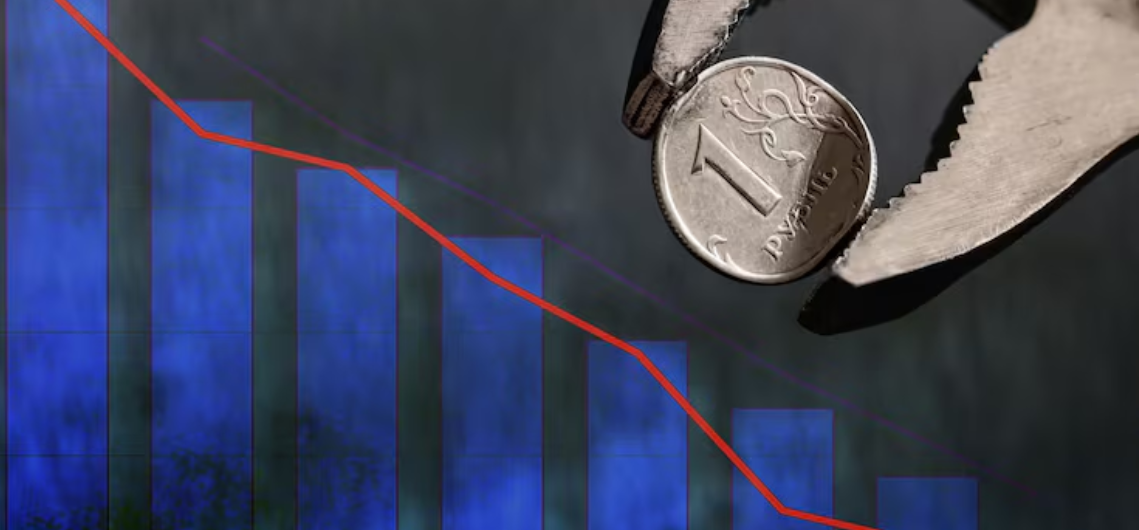
These days, there’s a certain silence in private equity firms. It’s not the quiet of bad news per se, but rather the more subdued, uneasy silence that descends when something that everyone thought was inevitable turns out not to be.
Because money was practically free, the leveraged buyout model was successful for over ten years. Then it wasn’t, practically overnight. And the industry is still figuring out what that entails.
| Field | Detail |
|---|---|
| Subject | Private Equity & Leveraged Buyouts |
| Featured Expert | Cyril Demaria-Bengochéa, Head of Private Markets Strategy |
| Period of Focus | 2022 – 2025 |
| US Fed Rate Move | 0% → 5.25%–5.5% (11 hikes, Mar 2022–Jul 2023) |
| Avg Dividend Recap Size (mid-2025) | $350 million |
| Total Distributed via Recaps | $21 billion |
| Average Post-Recap Leverage | 4.8x EBITDA |
| Historic Case Studies | KB Toys (US, 2002–2004), Phones 4u (UK, 2013–2014) |
| Primary Concern | Re-leveraging without new value creation plans |
| Sector Watchdog Reference | Financial Stability Board reports on NBFI risk |
When you sit with the numbers, they are striking. The Federal Reserve’s eleven-step increase in interest rates from practically zero to over five percent between March 2022 and July 2023 destroyed the logic underlying LBOs. Purchasing a business with borrowed funds is only successful when the borrowing is inexpensive. The model strains when it isn’t. Slow exit. IPO windows close. Strategic purchasers remain silent. Additionally, the meticulously built distribution pipelines that fund managers relied on start to clog.
It’s evident in the deal flow—or rather, its absence. The conversations at any private capital conference in New York or London have changed. IRRs and vintage years are discussed less. More discussions about “creative solutions,” liquidity, and what limited partners who haven’t seen a significant distribution in eighteen months should know. The industry may have experienced this in the past, albeit in less severe forms, but the scope of this specific freeze feels different.
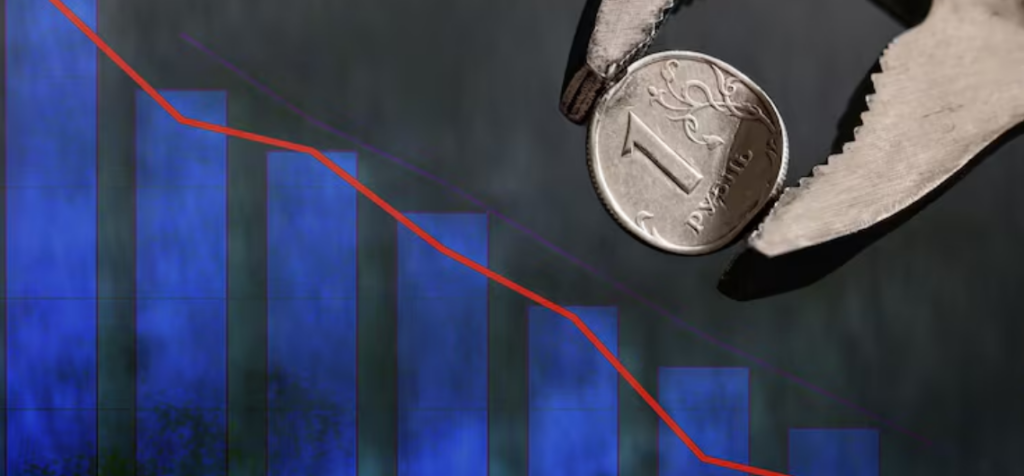
The term “dividend recapitalization,” which sounds technical but refers to something quite straightforward, has emerged as a result of that pressure. A fund loads additional debt onto a portfolio company it already owns, then uses the proceeds to pay investors and itself. Without a real exit, it creates a distribution. By the middle of 2025, the total volume of these transactions had skyrocketed to about $21 billion, with the average deal being close to $350 million. Leverage ratios appear reasonable on paper, comfortably below historical peaks at about 4.8 times EBITDA. However, there’s a feeling that the averages conceal more than they show.
Part of what makes the cautionary tales unsettling is that they are not new. Declining mall traffic and a balance sheet devoid of cushion caused KB Toys to file for bankruptcy in 2004 after receiving a $85 million dividend payout in 2002. After completing a £200 million recap in 2013, the British mobile retailer Phones 4u failed in 2014 due to the disappearance of its carrier contracts. The recap was not the only reason for either failure. However, the timing was terrible in both situations, leaving the businesses cash-strapped just when they needed reserves.
The concern is expressed clearly by Cyril Demaria-Bengochéa, who oversees BNP Paribas Asset Management’s private markets strategy. “Extracting value too soon can jeopardise long-term survival, and ultimately damage trust in the private equity model,” he cautions. Alignment is the deeper issue he brings up. The need to actively steer the business usually wanes once a sponsor has removed its capital. The discipline that purports to support private equity’s fees in the first place disappears as the “skin in the game” diminishes.
It’s difficult to ignore how quickly the industry’s defenders change course in response to the data, pointing to failure rates that initially appear to be lower than those of typical LBOs. That comparison might be flattering in ways that the numbers don’t fully reflect because there is inconsistent reporting on distress related to recaps and because the deals themselves are typically bigger, making any failure more noticeable. Investors ought to interact with their managers, pose more challenging queries, and approach the recent increase with the skepticism it most likely merits. It’s still unclear if the reckoning comes loudly or just happens quietly. In any case, the leveraged buyout model will have to accept that the days of free money are over.