 By Mari Hansen
 A certain type of anxiety is absent from a Bloomberg terminal. It’s evident in the line at the warehouse store, when someone pulls the second cart behind the first, and when a buyer for a small distributor casually remarks that he’s “topping off” inventory three weeks ahead of schedule. It doesn’t make the news. The pricing reflects everything.
The Strait of Hormuz, the chokepoint that transports around one-fifth of the world’s oil, is the official explanation for why Brent crude has risen beyond $100 per barrel in recent weeks after trading closer to $60 in January. That is an unfinished story, but it is true. The market is no longer acting as though someone is in control, which is the more unsettling reality that consultants are beginning to publicly state.
| Topic | Global Energy Hoarding & Supply Crisis |
| Trigger Event | Iran conflict disrupting Strait of Hormuz flows (about one-fifth of global oil) |
| Brent Crude Movement | From ~$60 in January to above $100 per barrel |
| Key Voice | Bob McNally, founder, Rapidan Energy Group |
| Consumer Behavior | 48% of U.S. adults buying certain items in bulk (Omnisend survey, 1,000 respondents) |
| Direct Energy Share of Food Dollar | About three cents per dollar (USDA) |
| Economist Cited | David Ortega, Michigan State University |
| Industry Analysis | Andrei Quinn-Barabanov, Moody’s supply chain practice |
| Reference Data | Federal Reserve Bank of Kansas City, 2025 supply chain analysis |
| Forecast Risk | Strategic stockpiling pushing prices higher with no concrete ceiling |
Former White House energy advisor Bob McNally, who currently leads Rapidan Energy Group, stated it simply. For many years, dealers operated under the covert presumption that the United States would eventually ensure the unrestricted flow of oil through the Persian Gulf. He contends that the conflict in Iran has undermined that presumption. And when such a load-bearing belief falters, those who rely on it begin constructing their own supports.
In what McNally refers to as a “mad scramble” for strategic reserves, countries are already replenishing stocks and storing supplies in a manner that feels more like preparation than caution. The fact that he doesn’t provide a price target is telling in and of itself. When forecasters cease forecasting, it typically indicates that the variables have multiplied beyond the capacity of a spreadsheet.
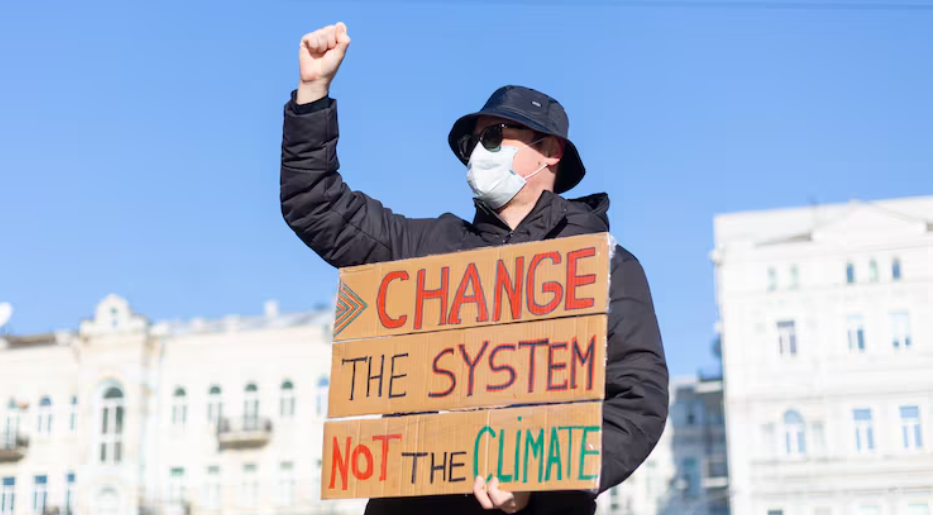
Naturally, the hoarding instinct is not limited to energy ministers. In a March study, about 48% of American consumers informed the online retailer Omnisend that they were purchasing specific products in bulk because they anticipated price increases. It’s a logical reaction to an illogical circumstance, and it’s precisely the kind of action that economists advise against. Food economist David Ortega of Michigan State University describes it as “extremely counterproductive.” When abrupt demand surges are met by well-managed supply systems, the outcome often appears to be scarcity even when none exists.
The annoying aspect, at least for consumers, is that grocery costs don’t really increase in tandem with oil prices. The U.S. Department of Agriculture estimates that direct energy expenses account for three cents of every food dollar. According to Ortega, a 10% or 20% increase in fuel will not result in a one-to-one transaction at the register. Producers bide their time. They observe. Before raising sticker prices explicitly, they absorb costs in less obvious ways, such as reducing promotions and subtly decreasing sales. According to a Kansas City Fed report from 2025, the pass-through was sluggish, complex, and nearly hesitant.
According to Andrei Quinn-Barabanov, who oversees Moody’s supply chain industry practice, price hikes often only occur when businesses determine that greater expenses will persist. Right now, the word “stick” is working really hard. Whether this oil shock would fade in a quarter or become a decade-long phenomenon is still unknown.
It’s difficult to ignore the pattern as you see it develop. A rush to stockpile, a self-fulfilling tightness, a quiet erosion of trust, and a global shock. There is a supply issue. We keep adding to the demand problem, which is created by everyone attempting to outperform the supply problem.