 By Mari Hansen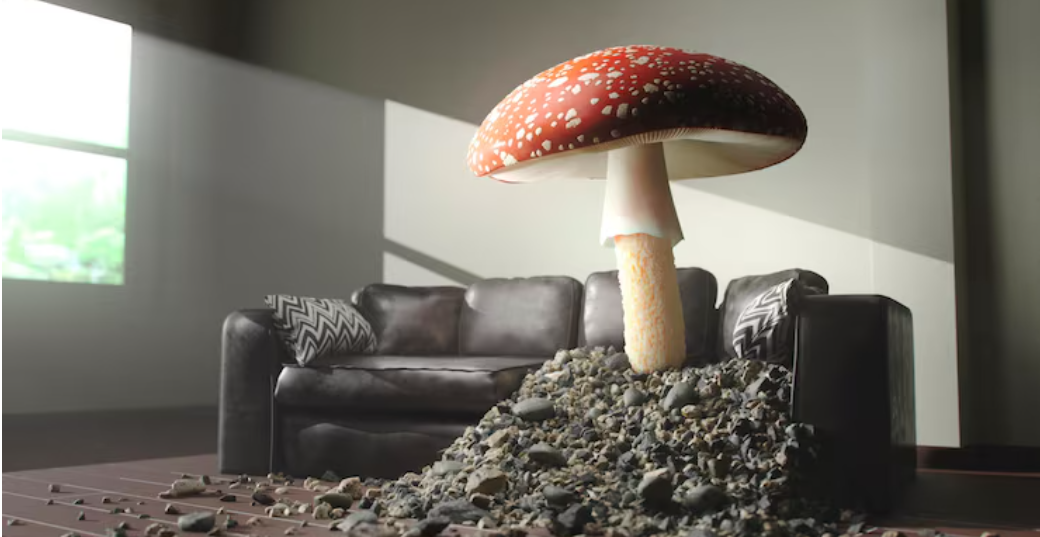
In many psilocybin therapy studies, the room appears remarkably serene. gentle lighting. a sofa. Occasionally, music is played softly through headphones. Unaware that researchers are observing what could turn out to be one of the most contentious chapters in contemporary psychiatry inside a tiny room, students walk past the clinical building—often on peaceful university campuses—carrying coffee cups.
The story starts with a problem that won’t go away. depression that is resistant to treatment. Psychiatrists see this pattern frequently enough to spot it right away: patients who have tried two, three, or even five antidepressants, each of which promised relief but produced very little. In about 10 to 30 percent of cases of major depression, traditional medication just stops working. These patients, who are seated in therapy rooms all over the world, frequently talk about a dense mental fog that won’t go away.
| Category | Details |
|---|---|
| Substance | Psilocybin (psychedelic compound found in “magic mushrooms”) |
| Scientific Class | Tryptamine hallucinogen |
| Key Mechanism | Acts on serotonin 5-HT2A receptors in the brain |
| Therapeutic Approach | Psilocybin-Assisted Psychotherapy (PAP) |
| Primary Target Condition | Treatment-Resistant Depression (TRD) |
| First Isolation | 1958 by Swiss chemist Albert Hofmann |
| Research Revival | Modern clinical research restarted around 2000 |
| Major Research Institutions | Johns Hopkins University, Imperial College London |
| Typical Clinical Dose Range | ~20–30 mg in controlled therapeutic sessions |
| Regulatory Status | Experimental therapy; FDA granted Breakthrough Therapy designation |
| Reference Source | https://www.hopkinsmedicine.org |
Researchers have been forced to reevaluate concepts that were previously thought to be lost in the cultural debris of the 1960s due to this frustration, which is quietly expressed by both physicians and patients. After being outlawed for decades, psychedelics—specifically, psilocybin, the active ingredient in so-called magic mushrooms—are now being used again in labs. Psychiatric research circles have a cautious yet inquisitive atmosphere, as though the field is reopening a file that was closed too soon.
The science itself is strangely beautiful. Psilocybin quickly transforms into psilocin after consumption, a substance that interacts with the brain’s serotonin receptors, especially the 5-HT2A receptor. Particularly within the so-called default mode network—the area linked to introspection and rumination—that interaction seems to upset rigid patterns of brain activity. Some neuroscientists believe that depression keeps the brain stuck in these loops.
It can be similar to watching a storm clear when you watch brain scans from psilocybin studies. Patterns of activity change. Networks that don’t often communicate start doing so all of a sudden. Researchers carefully note that there seems to be a momentary increase in the brain’s flexibility.
Many psychiatrists are shocked by the early clinical results. A single guided psilocybin session in conjunction with psychotherapy resulted in quick reductions in depressive symptoms in a number of small trials. In one study, over half of the participants experienced a significant reduction in their symptoms in a matter of weeks. Many of them went into complete remission. The mental health community has rapidly become aware of those figures. Maybe too fast.
Psychiatrists frequently speak in academic panels and conferences with a mixture of curiosity and restraint. Yes, the results appear promising. However, sample sizes are still quite small. The long-term consequences are still unknown. It’s still unclear if the drug itself, the therapeutic environment, or the psychological experience that takes place during the session are the main sources of the benefits.
It can be a very intense experience. When lying quietly with their eyes closed and music playing, participants frequently describe vivid imagery, emotional breakthroughs, or intensely contemplative moments. Some remember going back to unpleasant memories. Others talk about unanticipated emotions of acceptance or connection.
Afterward, listening to recordings of patient interviews reveals an odd blend of clinical terminology and almost spiritual contemplation. “Mental doors had opened that had been locked for years,” according to one participant. Researchers are both intrigued and a little uncomfortable by such statements. They are wary because of history.
Psychedelics briefly held a respectable place in psychiatric research during the 1950s and early 1960s. Researchers looked into the use of psilocybin and LSD in psychotherapy and addiction treatment. Then cultural forces took control. The drugs were embraced by counterculture movements. In response, governments imposed broad prohibitions. The majority of research had ceased by the early 1970s. The subject remained controversial for decades afterward.
Around the year 2000, organizations like Johns Hopkins quietly started the modern revival. Safety was the main focus of early experiments. Studies on depression, addiction, and anxiety associated with terminal illness gradually grew. The U.S. Food and Drug Administration eventually designated psilocybin therapy as a “Breakthrough Therapy,” indicating potential medical value, because the results were so intriguing.
Skepticism is still beneficial, though. Experiences with psychedelics are erratic. Rarely, particularly when not under clinical supervision, they may cause anxiety, confusion, or dangerous behavior. Occasionally, frightening episodes or psychological distress are reported in surveys of recreational users.
The psychedelic renaissance is now characterized by this tension—promise on the one hand, uncertainty on the other.
There is a discernible sense of cautious optimism when strolling through research facilities that study these substances. Scientists discuss the potential for new psychiatric tools, emotional processing, and neural plasticity. Many, however, subtly caution against cultural hype. Psychedelics are not miraculous remedies.
However, it’s difficult to ignore the change that is taking place. Startups in the field of psychedelic biotech are now receiving venture capital. Universities are constructing specialized research facilities. Treatment models that seemed unlikely just ten years ago are being taught to therapists.
It’s unclear if psilocybin will eventually be used as a common treatment. That will be determined by extensive clinical trials. Regulations will develop gradually. Psychiatry has always been cautious and seldom rushes.
However, there’s a sense that something out of the ordinary is happening as we stand on the edge of this research wave. Not quite a revolution. Perhaps more akin to the reopening of a scientific door that was shut too hastily fifty years ago.
A modest mushroom sits behind that door, quietly compelling medicine to reevaluate what mental healing might entail.